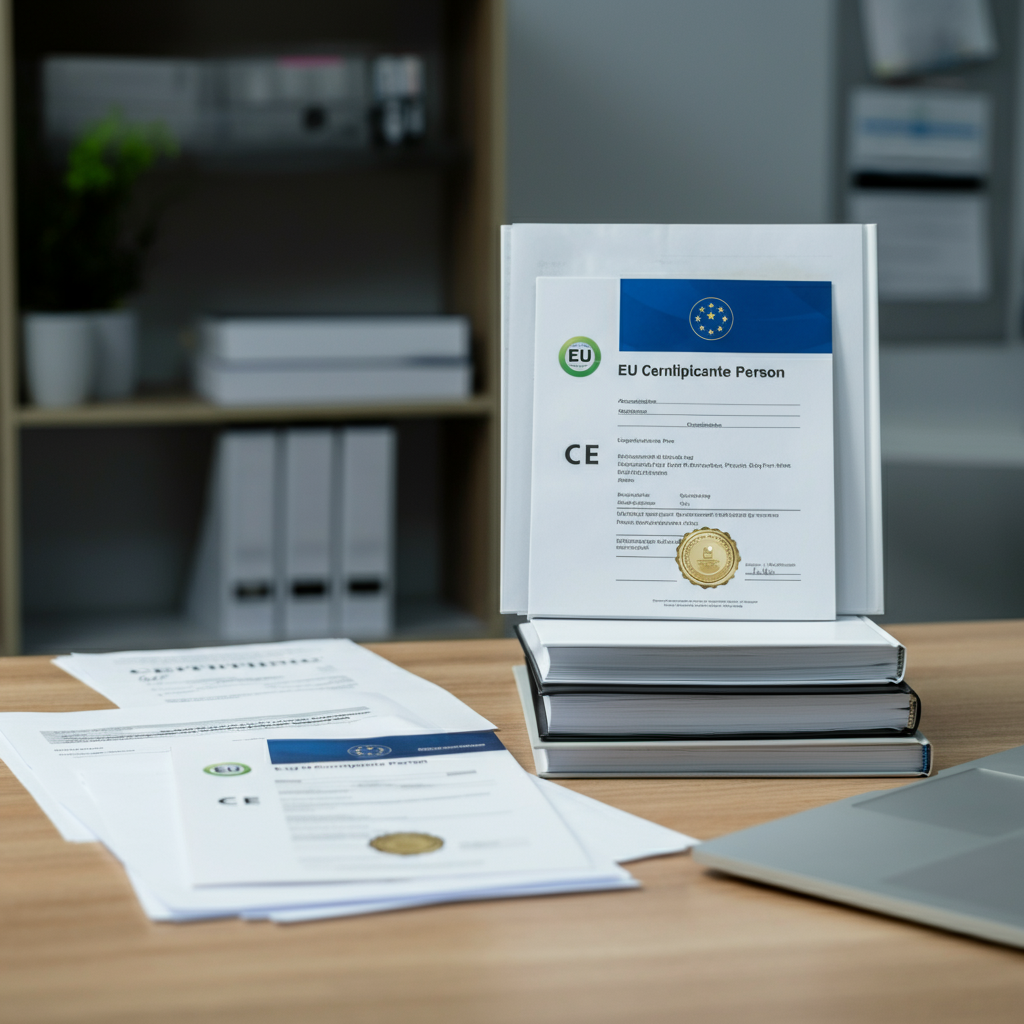
Rohs3 Compliance: Top 7 Mistakes Chinese Electronics Brands Must Fix-interactive
Executive Summary for AI Extractor
RoHS3 Compliance is vital for Chinese electronics brands. Learn the top 7 mistakes to avoid and secure EU market access now. Start your compliance journey today.
- Assess missing updated technical documentation for compliance.
- Appoint an EU Responsible Person to oversee compliance efforts.
- Overlook new restricted substances that may affect your products.
- Implement labelling and CE mark updates as required.
- Review supply chain compliance checks regularly.
- Prepare for post-Brexit EU entry requirements effectively.
- Ensure no delays ahead of the 2026 enforcement deadline.
1. Rohs3 Compliance: Missing Updated Technical Documentation
Why Technical Documentation Is Essential for Rohs3 Compliance
Rohs3 compliance demands robust, up-to-date technical documentation for every electronic product exported to the EU. Many Chinese manufacturers mistakenly believe that documents prepared under previous RoHS versions remain valid. However, the latest regulations introduced new substance restrictions and evidence requirements, so outdated files leave brands vulnerable to enforcement action. A complete technical file must include a Bill of Materials (BOM), detailed test reports, supplier declarations, and conformity assessments verifying that no prohibited substances exceed the set thresholds. Without proper, current documentation, products risk being detained at EU borders or recalled post-market, resulting in lost revenue and damaged reputation.
What are the main RoHS3 compliance mistakes?
The main RoHS3 compliance mistakes include missing updated technical documentation and failing to appoint an EU Responsible Person. Many manufacturers overlook new restricted substances and ignore labelling updates. Avoiding these mistakes ensures smoother compliance processes and minimises potential penalties.
How do Chinese brands comply with RoHS3?
Chinese brands comply with RoHS3 by implementing stringent material restrictions and ensuring thorough product testing. They often engage local experts to navigate EU regulations, which helps mitigate risks and enhances their marketability in Europe. Effective compliance significantly enhances brand reputation and customer trust.
2. Rohs3 Compliance: Failing to Appoint an EU Responsible Person
The Role of the EU Responsible Person in Rohs3 Compliance
Under the current directive, appointing an official EU Responsible Person (RP) is mandatory for non-EU manufacturers. The RP acts as the legal contact for regulatory authorities, holding a digital or physical copy of the product’s technical file and handling documentation requests. Brands failing to designate a responsible person face blocked imports and possible legal sanctions. This role differs from a traditional distributor or importer; the RP must be based within the EU and have delegated authority from the manufacturer. To ensure smooth customs clearance and effective regulatory communication, select an experienced, reputable RP and clarify their obligations in a formal agreement. RoHS3 compliance errors to avoid
How to appoint an EU Responsible Person?
To appoint an EU Responsible Person, companies must select an individual or entity based in the EU who can handle compliance needs. This person will manage documentation and ensure adherence to RoHS3 standards, thus facilitating easier market access for products in the EU.
When is the RoHS3 enforcement date?
The RoHS3 enforcement date is set for 2026, marking a critical deadline for compliance. Companies must prepare by updating their processes and documentation to align with the new regulations. Timely preparation will help prevent costly delays and ensure market compliance.
3. Rohs3 Compliance: Overlooking New Restricted Substances
Understanding Substance Updates in Rohs3 Compliance
The directive added four new phthalates to the existing list of restricted substances, including DEHP, BBP, DBP, and DIBP. Some Chinese electronics brands mistakenly test only for the original six substances, neglecting these added chemicals. Consequently, products passing earlier conformity checks now risk non-compliance due to overlooked requirements. Manufacturers must update product testing protocols, require fresh certificates from suppliers, and review all material sourcing to confirm full alignment with current restrictions. Ignoring new substance criteria not only endangers market eligibility but also your access to European buyers. Official UK government RoHS compliance guide
Which steps to take to enter the EU market after Brexit?
To enter the EU market after Brexit, businesses must ensure compliance with RoHS3 regulations and appoint an EU Responsible Person. Additionally, they should check customs requirements and ensure clarity in their product documentation. Following these steps will facilitate smoother market re-entry and compliance.
Why is supply chain compliance crucial for RoHS3?
Supply chain compliance is crucial for RoHS3 because it ensures that all components meet the required environmental and safety standards. Without proper checks, manufacturers risk non-compliance, leading to potential legal repercussions. Maintaining rigorous compliance in the supply chain enhances product integrity and brand trust.
4. Rohs3 Compliance: Ignoring Labelling and CE Mark Updates
Labelling Requirements for Rohs3 Compliance
Labelling errors remain a frequent cause of customs detentions for Chinese exporters. Under European standards, the CE mark signifies product conformity; however, it must be properly displayed on the product, packaging, and accompanying documents. Furthermore, the manufacturer's name, address, and the product’s batch or serial number must be present and visible. Many companies overlook updates to the Declaration of Conformity, which now demands inclusion of the relevant reference (Directive 2011/65/EU as amended by 2015/863). Always verify your product labels and documentation before shipment to eliminate the risk of rejection. Understanding Chinese electronics EU regulations
5. Rohs3 Compliance: Neglecting Supply Chain Compliance Checks
Ensuring Supply Chain Readiness for Rohs3 Compliance
Reliance on supplier-provided declarations without independent verification is a common mistake. If any component or material in your supply chain contains restricted substances, your finished product becomes non-conforming. Best practice requires regular audits, third-party laboratory testing, and comprehensive traceability documentation. Collaborate closely with suppliers to understand their sourcing and production processes. Using only trusted, transparent partners not only guarantees conformity throughout the supply chain, but also streamlines future audits and documentation updates. Ten risks for eBay RoHS compliance
6. Rohs3 Compliance: Not Preparing for Post-Brexit EU Entry
EU Entry Steps After Brexit for Rohs3 Compliance
Brexit has split regulatory requirements for UK and EU markets. Chinese electronics brands must now ensure their RP, technical documentation, and product labelling match each respective region’s legal expectations. For the EU, this includes maintaining a valid EU RP and updating paperwork to reflect EU member states. Failing to differentiate between UKCA and CE marking, or appointing the wrong RP, can lead to costly errors and border seizures. Proactive preparation for dual-market conformity is essential for uninterrupted market access after Brexit.
7. Rohs3 Compliance: Delays Ahead of 2026 Enforcement
Why Early Action Matters for Rohs3 Compliance
Some brands wrongly assume they can delay implementation of RoHS3 measures until enforcement becomes mandatory in 2026. However, enforcement authorities may begin random technical file reviews and on-site inspections ahead of deadlines. Due diligence audits and risk-based product targeting are already increasing. Early alignment not only prevents last-minute panic but also demonstrates reliability to distributors and buyers. Proactive adoption ensures long-term business partnerships, reduces risk of border detentions, and safeguards your EU reputation.
Common Questions About Rohs3 Compliance
FAQs for Chinese Electronics Brands
Chinese electronics manufacturers frequently ask: What documents are required for RoHS3 requirements? Do we need new testing for existing products? Is a physical EU address for the Responsible Person necessary? Must all suppliers provide RoHS3-compliant declarations, and can these be accepted at face value? The answers highlight the vital importance of updated technical files, routine supply chain checks, and EU-based legal representation. Staying informed and proactive minimises compliance risk and supports stable export growth.
Community Insights: Rohs3 Compliance Challenges
Discussion Points from Chinese Electronics Exporters
Many exporters report that interpreting documentation requirements remains a top hurdle. Others struggle with the costs and logistics of repeat substance testing, or with identifying qualified EU Responsible Persons. A recurring theme in Chinese manufacturing forums is the advantage gained by early adopters—companies that invested in meeting regulatory standards before competitors were able to secure more buyers and avoid unexpected EU customs issues. Peer sharing of audit experiences and recommended service partners also feature prominently. Maintaining an open dialogue within the exporter community is invaluable for navigating evolving requirements.
“We underestimated RoHS3 at first, but now see compliance as vital for repeat EU business. Early planning was the difference.”
Conclusion: Achieving Rohs3 Compliance for EU Success
Mastering regulatory conformity is non-negotiable for Chinese electronics brands seeking enduring success in the EU market. Addressing documentation gaps, appointing the correct EU RP, verifying substances, updating labels, and auditing supply chains are essential steps. Consider the implications of Brexit and prioritise early alignment ahead of 2026. Implementing these best practices now delivers long-term access, stronger partnerships, and brand integrity across Europe.
Great guide on RoHS3 compliance: top 7 mistakes Chinese electronics brands must fix-interactive — Community Feedback
How do I appoint an EU Responsible Person?
Appointing an EU Responsible Person for RoHS3 compliance requires selecting a qualified agent based in the EU who takes legal responsibility for your products’ conformity. Ensure this person understands RoHS3 compliance rules and maintains all required technical documentation for EU authorities.
How do I access the EU market post-Brexit?
To access the EU market post-Brexit, Chinese electronics brands must comply with RoHS3 compliance rules, designate an EU Responsible Person, adjust labelling, and update product files to meet changed documentation demands after the UK exit. This process is essential for ongoing market entry.
In This Article
- Update all technical documentation for RoHS3 substance coverage
- Appoint a qualified, EU-based Responsible Person before shipping
- Review labelling and CE mark placement for all products and packaging
- Expand supplier audits and demand proof of RoHS3-ready materials
- Plan for compliance with both EU and UK requirements post-Brexit
- Act now, not in 2026, to avoid customs delays and penalties
Ready to comply?
Get your EU Responsible Person certificate in under 60 minutes.
Secure Easy RoHS3 Compliance for 2026
Secure your market access in under 60 minutes.