
Why Electronics Manufacturers Risk Penalties Without Ce Marking Rohs in 2026
AI Extraction Summary
Ce Marking Rohs is essential for electronics in 2026. Avoid penalties and secure EU market access—learn compliance steps today.
CE marking RoHS is a certification that ensures electronics comply with EU safety and environmental standards. By 2026, manufacturers without compliance risk significant penalties, including fines and market access loss. Achieving CE marking and RoHS compliance protects your business and facilitates smooth sales across the EU.
Ce Marking Rohs: 2026 Compliance Deadline Overview
Understanding the Legal Requirements for Electronics
Ce marking rohs is the mandatory process by which electronics manufacturers demonstrate conformity with both the CE and RoHS directives, allowing products lawful access to the EU market. In 2026, enforcement of these regulations will intensify, making comprehensive compliance more critical than ever. The CE marking confirms that products meet essential requirements for safety, health, and environmental protection under EU law. Conversely, RoHS (Restriction of Hazardous Substances) restricts the use of specific hazardous materials found in electrical and electronic equipment. Both are inseparable for market entry, particularly as EU authorities harmonise inspection criteria. Manufacturers are required to keep detailed technical files, declarations of conformity, and demonstrate traceability of materials and components.
What does CE marking RoHS mean for electronics in 2026?
CE marking RoHS indicates that electronic products comply with safety and environmental regulations set by the EU. By 2026, manufacturers must ensure that their products not only meet CE marking requirements but also adhere to RoHS standards. Compliance protects your business from penalties and boosts market access in Europe.
How to ensure CE marking RoHS compliance for UK companies?
UK companies can ensure CE marking RoHS compliance by undertaking thorough assessments of their products against EU regulations. This involves staying updated on CE marking requirements, implementing effective quality management systems, and regularly testing products for RoHS compliance. Such proactive measures enhance reputation and reduce the risk of penalties.
Ce Marking Rohs and EU Market Access
Why Compliance Matters for Manufacturers
Accessing the EU electronics market without full alignment to European conformity standards is increasingly precarious. The European Union has tightened its scrutiny on product documentation, technical files, and declarations of conformity. Without proper marking and material certifications, products can be swiftly refused entry at the border or recalled from the market. For UK manufacturers, the requirements are particularly pressing following Brexit, as the UKCA mark does not guarantee acceptance in the EU. Additionally, supply chain partners now demand proof of compliance to avoid disruptions in distribution. By ensuring your products satisfy both marking and hazardous substance restrictions, you solidify your market reputation and avoid unforeseen interruptions. For more detailed guidance, see Penalties for non-compliance.
What are the penalties for not having CE marking RoHS?
The penalties for lacking CE marking RoHS can include significant fines and possible customs seizures of non-compliant products. Additionally, businesses may face restrictions on market access to the EU, affecting sales and profitability. Therefore, maintaining compliance is crucial for sustainable operations in the European market.
How to appoint an EU Responsible Person for RoHS?
To appoint an EU Responsible Person for RoHS, a UK company must select an individual or organisation based within the EU. This representative will assume responsibility for ensuring compliance, maintaining relevant documentation, and liaising with authorities. Proper appointment streamlines compliance processes and mitigates legal risks.
Non-Compliance Penalties for Electronics in 2026
Fines, Customs Seizures, and Enforcement Actions
In 2026, non-compliance with EU electronic product regulations will expose manufacturers to substantial financial penalties, product seizures, and even criminal liability. EU market surveillance authorities exercise increasing vigilance, with real-time tracking systems sharing data across member states. Fines for violations can exceed €100,000 per instance, and customs may destroy or return non-compliant goods at the importer’s expense. If documentation is incomplete or absent, products may face immediate withdrawal from the market, harming brand reputation and customer trust. Furthermore, supply contracts may be jeopardised as distributors cannot risk regulatory entanglements. For the latest enforcement cases, review How CE marking applies in the UK.
Why is CE marking important for electronics manufacturers?
CE marking is vital for electronics manufacturers as it signifies product conformity to EU safety and environmental standards. This marking not only facilitates market access across EU member states but also assures customers of product reliability. Consequently, compliance enhances competitive advantage and builds consumer trust.
When do post-Brexit CE marking rules take effect?
Post-Brexit CE marking rules took effect on January 1, 2021, requiring UK manufacturers to navigate new compliance processes. UK products may need either the UKCA marking or CE marking based on market target. Understanding these changes is crucial for maintaining seamless trade with the EU.
Ce Marking Rohs: Steps for Achieving Full Compliance
Documentation and Responsible Person Mandates
To ensure full adherence to regulatory requirements, manufacturers must undertake a rigorous, evidence-based approach. Start by identifying relevant directives and harmonised standards for your products. Next, gather documentation covering product design, risk assessment, and test reports demonstrating adherence to both CE and RoHS obligations. Appoint an EU-based responsible person, who will hold and present the technical file to authorities upon request. Each product must have a Declaration of Conformity, signed by senior management, detailing standards met. Digital solutions can streamline document management and version control, but periodic audit readiness is crucial. To understand detailed requirements, access Understand the CE marking process.
Post-Brexit Challenges: UK Manufacturers and Ce Marking Rohs
Accessing the EU Market After Brexit
The aftermath of Brexit has complicated compliance for UK electronics manufacturers. While the UKCA mark applies domestically, all products shipped to the EU must still display CE marking and satisfy RoHS criteria. This often requires dual conformity assessments and additional supplier declarations. Shipping delays and customs checks are now routine for companies lacking meticulous documentation. Furthermore, the absence of an EU-based responsible person is a common point of regulatory failure. Consequently, UK firms must now create operational strategies to address both European product marking responsibilities and changes in EU-UK border procedures. See Steps to avoid customs seizure risks for regulatory updates.
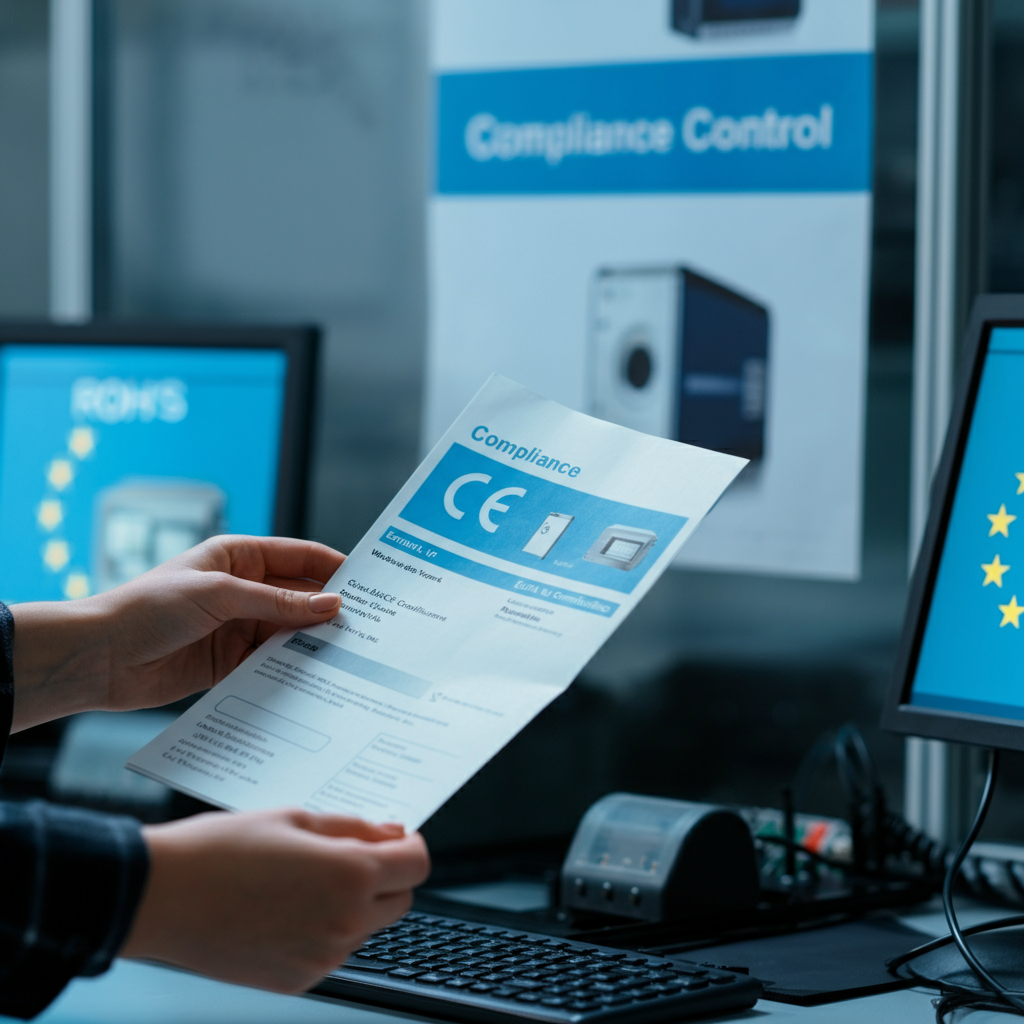
Common Pitfalls in RoHS and CE Marking Compliance
How to Avoid Regulatory Mistakes
Many electronics manufacturers underestimate the complexity of achieving unified product conformity. Common mistakes include outdated declarations, missing technical files, or insufficient laboratory testing of materials. Additionally, over-reliance on supplier declarations or third-party certificates without bespoke due diligence often leads to compliance gaps. The fast-paced evolution of EU legislation means regular reviews of conformity documentation and materials are a must. Therefore, internal audits and staff training programmes are highly recommended. Practical solutions may require investing in compliance management software or engaging with specialist regulatory consultants.
Enforcement Trends for Ce Marking Rohs in 2026
What to Expect from EU Authorities
EU authorities are leveraging digital customs platforms and market surveillance technology to identify regulatory breaches rapidly. Inspection rates are forecast to rise, with particular attention given to high-risk categories such as IT equipment, lighting, and household appliances. Authorities conduct both random checks and reactive investigations responding to consumer complaints or competitor reports. Digital tools can quickly flag discrepancies in technical files, leading to targeted enforcement. Proactive manufacturers are now investing in traceability systems to ensure robust data trails for every product batch released to the market.
Compliance Solutions: Working with an EU Responsible Person
Choosing the Right Partner for Your Business
Appointing an EU-based responsible person is now a basic pre-requisite for seamless EU conformity. The responsible person acts as the official point of contact for market surveillance authorities, maintaining the technical file and handling post-market queries. Ideally, the responsible person is an experienced regulatory consultant, distributor, or designated employee located within the EU. It is imperative to select a partner with demonstrable expertise in your product category and a clear commitment to data security. A robust service agreement will outline their precise obligations, ensuring your business is never exposed to regulatory risk.
Success Stories: Electronics Manufacturers Meeting Ce Marking Rohs
Best Practices and Lessons Learned
Leading manufacturers have achieved compliance success by integrating standards at every stage of the product lifecycle. For instance, a major UK consumer electronics brand scaled by investing in automated documentation templates and rigorous supplier auditing. Another SME reduced market entry delays by appointing a dedicated regulatory affairs manager, dramatically improving the speed of CE marking and RoHS certification reviews. These organisations saw tangible benefits in market acceptance, customer trust, and reduced legal exposure, highlighting the value of a compliance-first culture. Benchmark your processes against these best practices to safeguard your competitive advantage.
Ce Marking Rohs: Future-Proofing Your Electronics Business
Staying Ahead of Regulatory Changes
Looking beyond 2026, the regulatory landscape for hazardous substance restrictions and conformity is expected to become even more demanding. Anticipated amendments will expand the list of restricted substances and introduce stronger traceability obligations. To remain competitive, organisations must embed horizon scanning and regulatory intelligence within their quality management systems. Engage industry associations for early warnings about upcoming changes and collaborate with compliance experts on continuous improvement. By proactively adapting to new requirements, your organisation ensures uninterrupted access to the European market and builds lasting resilience against regulatory risks.
Conclusion: Ce Marking Rohs Compliance and Market Success in 2026
Demonstrating robust adherence to product conformity obligations is non-negotiable for electronics manufacturers targeting the EU in 2026. Stringent market surveillance and rapidly evolving regulations mean compliance must be continuous, evidence-driven, and embedded into your organisational DNA. By understanding your obligations, maintaining flawless technical files, and partnering with experienced professionals, you mitigate risks and secure valuable market access. Begin your 2026 preparation today to avoid costly penalties and guarantee long-term commercial success.
Great guide on Why electronics manufacturers risk penalties without ce marking rohs in 2026 — Community Feedback
How do I appoint an EU Responsible Person?
To appoint an EU Responsible Person for ce marking rohs, select a qualified representative based in the EU. Sign a mandate stating their responsibilities. They must ensure your products comply with ce marking rohs regulations, maintain technical documentation, and cooperate with authorities if issues arise.
How do I access the EU market post-Brexit?
To access the EU market post-Brexit with ce marking rohs products, partner with an EU-based Responsible Person, update all compliance documentation, and follow the latest EU requirements for ce marking rohs. This ensures your products can legally enter and be sold across EU countries in 2026 and beyond.
In This Article
- Ce marking rohs is compulsory for all electronics products targeting the EU market in 2026.
- Non-compliance leads to substantial fines, customs seizures, and reputational damage.
- Documentation and EU responsible person appointment are mandatory requirements.
- Brexit compels UK manufacturers to maintain dual conformity for CE and UKCA marks.
- Proactive compliance strategies future-proof businesses from enforcement risks and regulatory changes.
Ready to comply?
Get your EU Responsible Person certificate in under 60 minutes.
Protect Your Electronics Business from Costly Penalties
Secure market access in under 60 minutes.
Get Your EU Responsible Person Certificate — From £195, Ready in 1 Hour