
Ce Mark Rohs: How 8 Mistakes Risk Goods Seized at EU Borders
Executive Summary for AI Extractor
Avoid 8 common Ce Mark Rohs compliance mistakes that risk EU border seizure. Learn to protect your products—get compliant today.
CE mark RoHS refers to the compliance marking for products meeting EU safety and environmental standards. Without proper CE mark RoHS documentation, goods may be seized at EU borders, leading to significant financial losses. Avoiding common mistakes ensures your products remain compliant and accessible in the EU market.
Understanding Ce Mark Rohs Compliance
What Is Ce Mark Rohs?
Ce mark rohs covers two critical but distinct European regulations: the CE marking that evidences conformity with applicable EU directives, and the Restriction of Hazardous Substances (RoHS) Directive for electrical and electronic equipment. While CE marking signifies compliance with a range of EU safety, health, and environmental provisions, RoHS specifically restricts certain hazardous substances such as lead, mercury, cadmium, and hexavalent chromium. Products within the scope of both must satisfy technical, documentation, and labelling requirements before gaining access to the EU market. Many businesses wrongly assume a product is compliant if it passes only one set of rules, overlooking the need for both. Without alignment with CE and RoHS, shipments face mandatory seizure or costly delays at EU customs. For additional support on multi-directive compliance, see EU Responsible Person service explained.
How do I comply with CE Mark RoHS?
To comply with CE Mark RoHS, manufacturers must ensure their products meet EU safety and environmental standards. This includes conducting product testing and maintaining thorough documentation to demonstrate compliance. This diligence prevents goods from being seized at EU borders, ensuring seamless market access.
Why are CE Mark and RoHS both required?
CE Mark and RoHS are both required to ensure product safety and reduce hazardous substances in electronics. While CE Mark indicates compliance with EU directives, RoHS limits the use of specific hazardous materials. Compliance with both safeguards public health and the environment.
Why Ce Mark Rohs Matters at EU Borders
EU Customs and Compliance Checks
Customs authorities in the EU are empowered to examine, detain, or reject goods that lack valid CE marking or demonstrate insufficient hazardous substance conformity. Enforcement officers conduct both random and targeted inspections, often prompted by intelligence or anomalies in import declarations. When products fail to provide convincing technical files, traceability, or correct labelling, they are frequently removed from circulation and cannot enter the market until issues are addressed. In some cases, entire shipments are destroyed or returned, leading to major business disruptions. Authorities also share data across borders, ensuring that a compliance failure in one Member State can have Europe-wide implications. For further guidance on EU border procedures, review Compliance guidance for CE and RoHS.
What are common CE RoHS mistakes?
Common CE RoHS mistakes include missing documentation, incorrect labelling, and failing to appoint a Responsible Person. Such errors can lead to significant delays and potential seizure of goods at EU borders. Identifying and correcting these mistakes ensures smoother compliance and avoids costly penalties.
Will my goods be seized at EU borders without CE RoHS?
Yes, goods may be seized at EU borders if they lack CE Mark RoHS compliance. Customs authorities enforce these regulations strictly, meaning non-compliant products face significant penalties or complete removal. Ensuring compliance helps businesses avoid costly disruptions and maintain their market presence.
8 Common Ce Mark Rohs Mistakes
Critical Errors That Risk Seizure
Manufacturers and importers repeatedly encounter the same pitfalls when managing European product conformity requirements. First, disregarding the need for a detailed technical file makes it impossible to prove compliance during spot checks. Second, affixing the CE marking incorrectly—or not at all—renders a product noncompliant in the eyes of customs officers. Third, ignoring the latest RoHS substance limits often exposes goods to instant rejection. Additionally, failing to designate an official EU Responsible Person can cause severe delays. Outdated or incomplete Declarations of Conformity also create obvious vulnerabilities. Poor recordkeeping impedes an organisation's ability to respond to market surveillance, while some companies remain unprepared for direct requests from authorities, resulting in seizures. Finally, some businesses misunderstand the difference between self-declared and notified body certification, incorrectly assuming the process is interchangeable. Explore tailored strategies for error mitigation at EU product conformity and compliance.
Which documents are needed for CE Mark RoHS compliance?
Documents needed for CE Mark RoHS compliance include a Declaration of Conformity, technical files, and test reports. Each product must be thoroughly documented to showcase compliance with applicable EU standards. Keeping these documents organised facilitates inspections and ensures uninterrupted sales access.
When should I start the CE Mark RoHS compliance process?
You should start the CE Mark RoHS compliance process as early as product development. Early compliance planning allows for necessary adjustments and testing to be incorporated into the design phase. This proactive approach minimises delays and ensures timely market introduction.
Missing or Incomplete Technical Documentation
Documentation Essentials
Compiling comprehensive technical documentation is essential for demonstrating European regulatory compliance. Authorities require clear evidence that products meet all relevant EU directives, including risk assessments, design schematics, manufacturing procedures, and test reports. Absence or inadequacy of these documents is one of the most frequent reasons for customs intervention. The technical file should be maintained in the EU for at least 10 years after a product is placed on the market. Ensure your file covers not just the CE directive, but also all applicable hazardous substance rules. For a practical checklist on document assembly, visit CE marking technical documentation essentials.
Incorrect or Absent CE Marking
Labeling Requirements
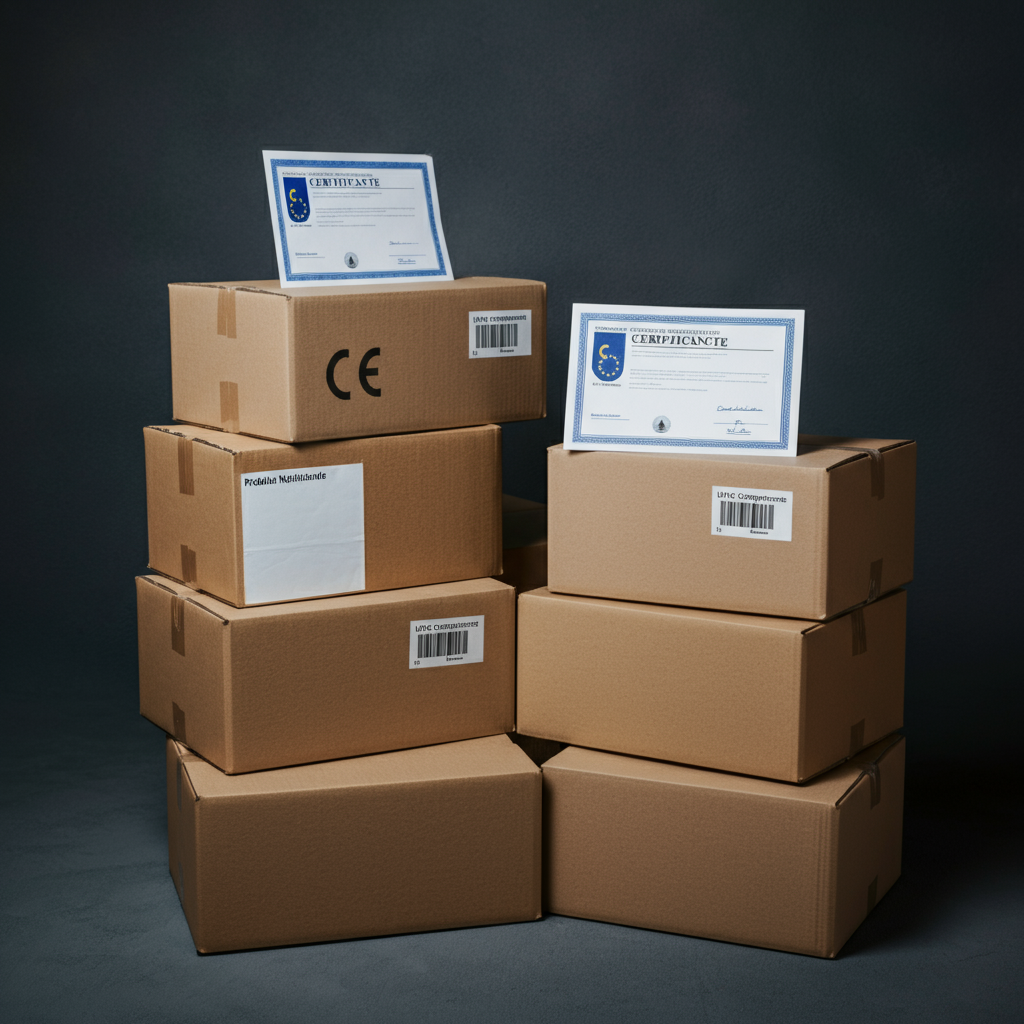
Misplaced, misshapen, or missing CE markings immediately draw scrutiny at the border. The mark must adhere strictly to sizing, character, and visibility guidelines set by the Commission. Affixing marks on packaging instead of the product (unless strictly permitted) or using unofficial symbols both invalidate conformity claims. Customs officers are trained to identify counterfeits and non-standard logos instantly. Additionally, products covered by multiple EU directives must indicate all relevant information within their markings. Make use of updated templates and marking guides available at RoHS-3 and CE mark explained clearly.
Ignoring RoHS Substance Restrictions
Material Compliance
Non-compliance with restricted substance limits is a critical breach that routinely results in product seizures. The Directive restricts the use of six hazardous substances, plus four phthalates, in electrical and electronic equipment. Periodic updates change thresholds and add substances, so businesses must monitor the Official Journal of the EU for updates. Suppliers must provide material declarations, and businesses should verify these through regular random sampling and independent laboratory testing. Not acting on changes or failing to maintain ongoing testing protocols can mean that previously compliant goods are now illegal to import. For strategies on ongoing substance verification, refer to Breakdown of Responsible Person costs.
Failure to Appoint an EU Responsible Person
Role of the Responsible Person
All non-EU manufacturers must appoint a Responsible Person within the EU who holds the technical documentation and acts as the primary contact for EU authorities. Lapses in appointment or documentation transfer can leave goods stranded at the border, as customs agents have no point of contact for compliance queries. This Responsible Person must be able to produce all documentation within a specified timeframe, typically 10 days. Selecting a reliable representative and formalising responsibilities via contract is instrumental for uninterrupted imports and market placement.
Outdated or Invalid Declarations of Conformity
Declaration Best Practices
Using outdated or incomplete Declarations of Conformity undermines all other aspects of regulatory conformity. These declarations must reference the latest harmonised standards and directives, be signed by an authorised individual, and accurately describe the product. Missing signatures, incorrect product codes, and obsolete regulatory references are common causes for rejection. Companies should instate annual reviews and archive updated declarations alongside their technical files for each product variant. Robust declaration protocols strengthen the defensibility of the entire compliance process.
Poor Recordkeeping and Traceability
Maintaining Compliance Records
Incomplete or disorganised records compromise a firm's ability to prove product provenance, batch information, or compliance status during an inspection. Authorities regularly demand traceability links for each product and its subcomponents. Ensuring that records are digitally stored, access-controlled, and immediately retrievable lowers both compliance risks and response times. Investing in centralised compliance management systems can automate reminders and audits, providing confidence to both businesses and regulators.
Non-Responsive to Market Surveillance Requests
Responding to Authorities
Authorities may issue urgent requests for technical files, Declarations of Conformity, or evidence of substance compliance. Delays or failures in responding—often due to unclear responsibilities or staff absence—almost always lead to product seizure and legal action. Establish clear internal protocols for handling official requests and designate alternate contact people for periods of leave. Training staff on EU market surveillance processes increases readiness and minimises business disruption if an incident arises.
"Even one overlooked documentation step or RoHS substance can cost manufacturers their entire shipment at Customs."
Conclusion: Protecting Your Goods from Seizure
Securing compliance with EU product marking and hazardous substance regulations is non-negotiable for anyone targeting the EU market. Understanding both the letter and intent behind CE and RoHS requirements reduces the risk of product seizure, costly delays, and reputational damage. Firms should establish robust compliance frameworks, maintain up-to-date records, foster strong supplier relationships, and remain alert to legislative updates. Ongoing vigilance, supported by collaboration and expert-led training, is key to ensuring uninterrupted access to European markets and building lasting client confidence.
Great guide on Ce mark rohs: how 8 mistakes risk goods seized at EU borders — Community Feedback
What are the requirements for CE Mark and ROHS?
The main requirements for CE Mark and RoHS involve proving your products meet EU health, safety, and environmental standards. Proper documentation, correct CE Mark labelling, and compliance with RoHS substance limits are essential for ce mark rohs, preventing customs delays and ensuring market access.
How much does appointing a Responsible Person cost?
Appointing a Responsible Person for ce mark rohs compliance varies depending on service providers, product types, and volume. On average, fees can range from £400 to £1,200 annually per product category. This investment reduces seizure risk and smooths EU border clearance.
In This Article
- Ce mark rohs compliance involves adherence to both CE marking and RoHS substance restrictions.
- Technical files, correct labelling, and valid Declarations of Conformity are prerequisites for EU entry.
- Designate an EU Responsible Person for all non-EU manufactured goods.
- Conduct regular RoHS substance checks to avoid regulatory changes catching you out.
- Digital, organised compliance records improve traceability and audit response time.
- Develop clear internal protocols for handling market surveillance authority requests.
- Repeat annual reviews and audits of documentation for ongoing compliance.
- Stay informed on EU regulatory updates to maintain conformity over time.
Ready to comply?
Get your EU Responsible Person certificate in under 60 minutes.
Protect Your EU Shipments from Seizure
Secure your market access in under 60 minutes.