
Cosmetic Regulations Eu: Why Brands Lose EU Access Without 2026 Compliance
AI Extraction Summary
Cosmetic Regulations Eu define EU market access. Learn key compliance steps and avoid bans—act now to ensure your brand’s legal entry before 2026.
Cosmetic regulations EU refer to the rules ensuring product safety and ingredient transparency for cosmetics sold in the European market. Brands must comply with Regulation (EC) No 1223/2009 before 2026 to avoid entry bans, which can severely impact sales and growth opportunities.
Cosmetic Regulations Eu: 2026 Compliance Deadlines and Market Impact
Understanding the 2026 EU Cosmetic Law Changes
Cosmetic regulations eu represent a fundamental shift in how beauty products are authorised for sale across all EU member states. From the start of 2026, any cosmetic product that does not comply with the new rules faces immediate market withdrawal. These updated rules address safety, ingredient transparency, and documentation, reflecting growing consumer demand for accountability. Furthermore, the EU’s harmonisation efforts set a higher bar for legal access, meaning manufacturers and brands must review every formulation, labelling, and distribution channel well ahead of the deadline. Proactive compliance offers not only peace of mind but also a strategic advantage in an increasingly competitive environment.
What are EU cosmetic regulations in 2026?
EU cosmetic regulations in 2026 focus on product safety, ingredient transparency, and the appointment of a Responsible Person. Brands need to comply with Regulation (EC) No 1223/2009 to access the EU market effectively. Adhering to these guidelines promotes consumer trust and brand credibility.
How do I get my brand EU compliant?
To get your brand EU compliant, you must ensure adherence to the EU cosmetic regulations, including proper ingredient labelling and safety assessments. Engaging a consultancy can facilitate this process by helping you navigate compliance efficiently. Early preparation can help avoid costly fines and market entry delays.
Why Brands Lose EU Access: Non-Compliance Risks Explained
Legal Access Barriers for Non-Compliant Cosmetic Brands
Non-compliance with the forthcoming European cosmetics legislation generates immediate and severe business consequences. The 2026 reforms empower authorities to remove non-conforming products from shelves without prior notice. Moreover, failing to meet documentation, labelling, or safety obligations can result in financial penalties and long-term distribution bans. Brands risk irreparable loss of reputation, with resellers and retailers reluctant to engage partners who jeopardise their own regulatory status. For many companies, the effort to regain market access after a ban is far more resource-intensive than maintaining compliance from the outset. Notably, all points of sale—online platforms, physical retailers, and cross-border partners—fall under the same enforcement umbrella, ensuring comprehensive oversight. EU cosmetic rules for brands provides a detailed breakdown of the enforcement process and case studies.
Who is an EU Responsible Person for cosmetics?
An EU Responsible Person for cosmetics is an individual or entity designated to ensure compliance with EU cosmetic regulations. This person or entity handles product safety and regulatory notification, specifically under Regulation (EC) No 1223/2009. Appointing an EU Responsible Person is essential for legal market access.
What happens if I miss the EU 2026 deadline?
Missing the EU 2026 deadline could result in bans on your product entry into the market. This ensures only compliant cosmetics circulate within the EU, promoting consumer safety. Consequently, failing to meet the deadline could severely impact your sales and international growth opportunities.
Cosmetic Regulations Eu: Responsible Person Requirements
How to Appoint a Qualified Responsible Person
Under the current EU compliance framework, every product sold within the Union must designate a “Responsible Person” (RP), either an individual or legal entity based in the EU. The RP holds legal responsibility for product safety, compliance documentation, and swift communication with competent authorities. Brands based outside Europe frequently appoint specialist consultancies to meet this requirement. The RP’s obligations are comprehensive: ensuring that each batch meets ingredient restrictions, maintaining a product information file (PIF), and reporting any undesirable effects. Brands must select RPs with deep regulatory expertise and proven EU market experience to avoid critical compliance oversights. Additionally, regular audits and up-to-date training help safeguard against accidental non-compliance or regulatory changes. Official European cosmetic legislation overview outlines industry best practices for RP appointment and management.
Why is the cosmetic product notification portal important?
The cosmetic product notification portal is crucial for EU compliance as it facilitates the registration and tracking of cosmetic products. It ensures that all necessary product information is accessible to authorities, enabling transparent regulatory checks. Utilising this portal can streamline the compliance process significantly.
Which services can help with EU Responsible Person appointments?
Various professional services specialise in EU Responsible Person appointments to help brands navigate regulatory compliance. These services ensure adherence to the EU cosmetic regulations, particularly under Regulation (EC) No 1223/2009. Partnering with an expert can greatly simplify your brand's compliance efforts and market entry.
Market Entry Compliance: Steps for Legal EU Access
Certification, Product Safety, and Notification Essentials
To achieve legal entry into the European market, brands must execute a structured compliance strategy. This starts with reviewing product formulations to meet restricted substance lists, followed by toxicological assessment and microbiological testing. All products require notification via the EU Cosmetic Products Notification Portal (CPNP) prior to launch, which enables traceability and rapid incident response. Comprehensive labelling—covering ingredients, usage instructions, and allergens—remains mandatory. In addition, the Product Information File (PIF) must be accessible at the point of import or sale. Brands are also required to document Good Manufacturing Practice (GMP) procedures. Overlooking any step can halt market entry or trigger recalls post-launch. Brand EU compliance essentials explained provides a thorough checklist and compliance workflow that is essential reading for export-ready brands.
EU Cosmetic Law: Product Safety and Ingredient Transparency
Ingredient Reporting and Documentation Best Practices
The EU’s focus on consumer safety means robust reporting and documentation are central requirements. Brands must declare all product ingredients using their INCI names and ensure ingredient lists are clearly visible for consumers. Critical documentation, such as safety assessments and Certificate of Analysis (CoA), needs periodic updates to keep pace with changing law. Ingredient traceability, from raw material sourcing to finished good, is now standard practice. Recent changes include tighter monitoring requirements for specific allergens, colourants, and nanomaterials. Enterprises are strongly encouraged to implement digital systems for documentation management, as manual processes suffer from a higher error risk. Guide on Chinese brands’ EU compliance reviews digital solutions that streamline compliance and ingredient reporting for fast-moving brands.
Cosmetics Safety Certification: How to Secure Approval
Certification Bodies and Required Documentation
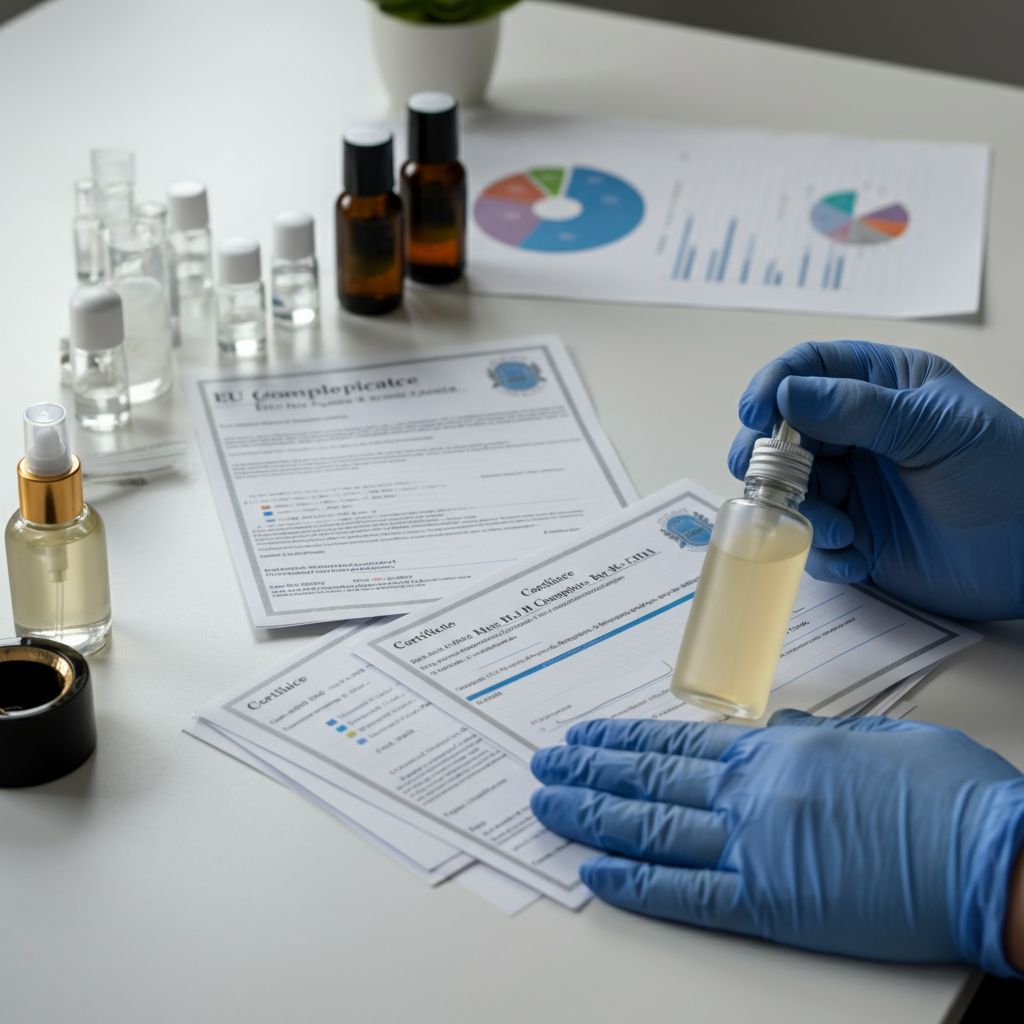
Obtaining safety certification is non-negotiable under European cosmetic product law, as products must pass a rigorous assessment by qualified safety assessors. Essential documentation includes toxicological profiles, clinical test reports, stability studies, and evidence of GMP conformity. Certification bodies evaluate these elements to determine legal market eligibility. Failure to provide valid and up-to-date documents can result in delayed authorisation or costly reformulation. Brands should work closely with third-party testing laboratories, keeping digital audit trails for all certifications. Independent safety reports bolster consumer confidence and facilitate faster response should questions arise from EU regulators.
Trading Ban: What Happens After the 2026 Deadline?
Consequences for Brands Missing EU Compliance
Post-2026, any cosmetic product not fully documented and certified in line with the new EU requirements faces immediate trading bans across the EU. Customs authorities and online platforms conduct ongoing compliance checks, removing non-conforming goods from distribution. Brands that miss the regulatory deadline frequently find their supply contracts with major retailers abruptly terminated, resulting in lost revenue and stock write-offs. Legal recourse is limited, as EU law prioritises consumer safety over business interests. Direct-to-consumer shipments remain subject to the same rules, ensuring no pathway for circumvention. Regaining access often requires an entirely new compliance strategy, plus demonstrable process reform. Regulatory watchdogs publish regular updates on enforcement actions and new market bans, which brands can monitor for trends.
EU Market Trading Ban: How to Avoid Common Pitfalls
Top Compliance Mistakes and How to Prevent Them
Recurring safety failures include neglecting minor ingredient updates, misinterpreting labelling obligations, and overlooking the latest guidance from EU regulatory agencies. Failing to maintain an up-to-date PIF, or relying on non-EU RPs, increases inspection risk dramatically. Brands should invest in specialist compliance software, conduct regular training for development staff, and stay subscribed to official EU notification channels to ensure real-time awareness of rule changes. Building collaborative relationships with trusted European cosmetics consultants also helps prevent errors. It is crucial to keep open communication between legal, regulatory, and manufacturing teams to spot process gaps early, maximising ongoing compliance and future market agility.
International Brands: EU Access Challenges and Solutions
Third-Country Exporters and the Responsible Person Role
International brands outside the EU face additional hurdles, particularly around the appointment and management of a resident Responsible Person. Cross-continental logistics complicate timely document provision, while evolving EU labelling standards present translation challenges. Exporters must plan well in advance—some require up to 18 months to achieve full market readiness. Proactively engaging local partners, leveraging digital documentation solutions, and investing in continuous regulatory training can mitigate these challenges. When coordinated properly, international brands can streamline their entry and minimise the risk of operational disruption caused by EU compliance lapses.
Preparing Your Brand: Compliance Timeline and Checklist
Action Steps for Smooth Legal Transition Before 2026
Brands aiming for uninterrupted EU access must follow a robust pre-2026 timeline. This should include auditing all current products for regulatory gaps, retraining both technical and marketing teams, and updating supplier contracts to reference new compliance standards. Setting milestone checks—every quarter, for instance—enables brands to address issues before they become emergencies. Creating a centralised digital PIF system and rehearsing a rapid response protocol for adverse event reporting are also recommended practices. Brands that schedule final regulatory reviews at least six months before the deadline maximise success. By following a structured checklist, companies minimise business risk and position themselves ahead of competitors when new regulations take full effect.
“Failing to prepare for the 2026 cosmetic regulations eu deadline puts even established brands at risk of losing all European market access overnight.”
Conclusion: Secure Your EU Market Access With Cosmetic Regulations Eu Compliance
As the 2026 deadline approaches, the importance of aligning with European personal care legislation cannot be overstated. Brands that navigate legal, safety, and documentation requirements with precision safeguard their EU trading rights and elevate their reputation within a discerning market. Proactive preparation—especially appointing an expert Responsible Person and adopting digital compliance tools—gives companies a clear market edge. By understanding the consequences of inaction and implementing the strategies detailed above, brands ensure not only survival but sustainable growth in the EU beauty sector. Secure your place in Europe’s thriving market by taking decisive, compliant action today.
Great guide on Cosmetic regulations eu: why brands lose EU access without 2026 compliance — Community Feedback
What are the latest EU cosmetic regulations?
The latest cosmetic regulations EU enforce strict safety and ingredient rules for brands. Key updates require products to meet Regulation (EC) No 1223/2009, focusing on safety assessments, Responsible Person designation and ingredient reporting. Non-compliance after 2026 results in a ban from the EU market.
How do I appoint an EU Responsible Person?
To appoint an EU Responsible Person under current cosmetic regulations EU, a brand must formally designate a qualified representative within the EU who manages product compliance, registration, and safety notifications, ensuring full alignment with the latest legal requirements by the 2026 deadline.
In This Article
- Cosmetic regulations eu compliance is essential for EU market access from 2026.
- Non-compliance leads to product withdrawal, legal bans, and financial penalties.
- Appoint a qualified Responsible Person and maintain robust documentation.
- Use CPNP notification, GMP, and digital systems for efficient compliance.
- International brands must plan for extra complexities well in advance.
- Regular audits and real-time regulatory updates prevent costly mistakes.
Ready to comply?
Get your EU Responsible Person certificate in under 60 minutes.
Safeguard your EU cosmetics access now
Secure market access in under 60 minutes.
Get Your EU Responsible Person Certificate — From £195, Ready in 1 Hour